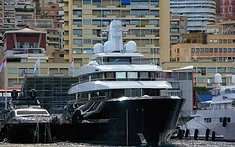
Scroll through any general boat marketplace and you'll see it: a 40-metre tri-deck motor yacht, represented by a team of brokers, sitting in the results between a second-hand jet ski and a bass boat with a trailer included. Same card size. Same template. Same filters.
For the person selling a £15,000 runabout, that's fine. For an owner or broker marketing an eight-figure vessel, it's a problem, and it's costing more than most people realise.
The context problem
A superyacht is not bought on impulse. Buyers at this level are working with advisers, surveyors and lawyers, and they expect the presentation of a vessel to reflect its value. When a listing appears beside inflatable tenders and fishing skiffs, the context tells the buyer something before they read a word: this platform isn't built for you.
Serious buyers notice. Many simply don't search there at all, which means the audience you're paying to reach isn't the audience you need.
Filters built for the wrong boats
General marketplaces are designed around volume. Their search tools prioritise price brackets, trailer availability and engine horsepower. They rarely let a buyer filter meaningfully by the things that matter at the top end:
- Length overall in metres, not feet bands topping out at "50+"
- Build year and refit history
- Hull material and builder
- Guest cabins, crew capacity and range
- Sale versus charter availability
When a buyer can't narrow results to the vessels they'd actually consider, your listing gets buried in noise.
A listing is more than a photo and a price
A yacht of this calibre needs room to tell its story: a full gallery, detailed specifications, location, condition and a clear route to a qualified contact. Generic templates squeeze all of that into the same format as a used dinghy. The result is a listing that undersells the asset and invites low-quality enquiries.
Lead quality matters more than lead volume
Brokers know the cost of chasing unqualified enquiries. On mass-market platforms, a high-value listing attracts curiosity clicks, tyre-kickers and spam alongside the occasional genuine buyer. Every one of those messages takes time to sort.
A specialised platform changes the mix. Enquiries arrive from people who came specifically to browse yachts, with the listing details they asked about attached, routed straight to the right broker or owner and tracked in one place.
Trust is part of the product
At this end of the market, buyers want to know who they're dealing with. Verification of brokers and private owners isn't a nice-to-have; it's the baseline. A platform that checks who is listing gives buyers confidence to make contact, and gives legitimate sellers a way to stand apart.
What a specialised platform does differently
YachtCrest was built for sailing yachts, motor yachts and superyachts, and nothing else. That focus shows up in practical ways:
- Yacht-specific search by type, length, year, location, condition and listing type, for both sale and charter
- Rich listings with full galleries, specifications and broker contact details
- Verified brokers and owners, clearly marked so buyers know who they're talking to
- Lead tracking in a dashboard, so every enquiry is captured and followed up
- Planning tools such as VAT, depreciation, running cost and cost of ownership calculators that help buyers understand the real cost of owning the yacht you're selling
- Plans for owners and brokers, from a single listing to an unlimited portfolio
The bottom line
Where you list a yacht says something about the yacht. If your 40-metre motor yacht shares a results page with a jet ski, you're paying for exposure to the wrong audience and asking the right one to look past it.
List it somewhere that was built for it.